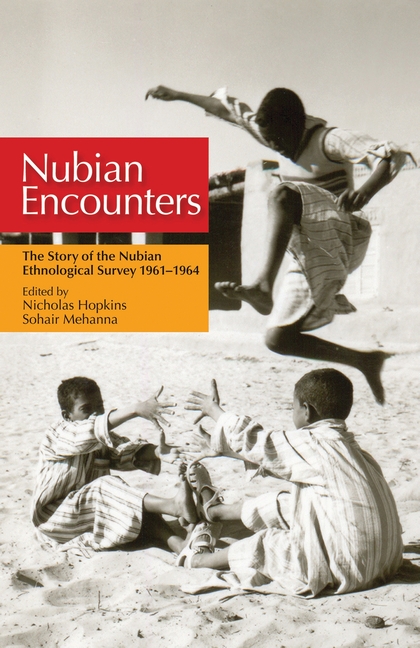


Before the residents of Egyptian Nubia were resettled at Kom Ombo in 1963–64, the Kenuz homeland lay in the northern part of this region, extending south along the Nile from the neighborhood of Aswan to the district of al–Madiq. Even before their relocation, however, most of the Kenuz had settled in Egyptian cities, where they retained their ethnic identity and much of their culture. Kenuz culture, a blend of Arab and Nubian features, emerged during the ninth and tenth centuries AD. Kenuz religion, clearly Muslim, still includes some direct links with the pre-Arab past in spite of extensive reforms that were carried out in this century to remove practices regarded as non-Islamic. The Kenuz of Dahmit was organized by two systems: residence, manifesting itself in such units as households and villages; and descent, involving patrilineal lineages and tribes.
- Publisher
- American University Press
- Category / Genre
- English Books, English Adults, Society & Culture, Society & Culture Studies
- ISBN
- 9789774164019
Frequently bought together
Complete the collection
Daybreak in Gaza: Stories of Palestinian Lives and Culture
Various Authors
EGP1,130
Children’s Picture Books and Contemporary Egyptian Society
Yasmine Motawy
EGP950
Cairo Cosmopolitan: Politics, Culture, and Urban Space in th
Diane Singerman
EGP700
Biographies of Port Said: Everydayness of State, Dwellers, a
Mostafa Mohie
EGP200
Secret Manoeuvres in the Dark
Eveline Lubbers
EGP50
Shed That Fed a Million Childr
Magnus MacFarlane-Barrow
EGP585