
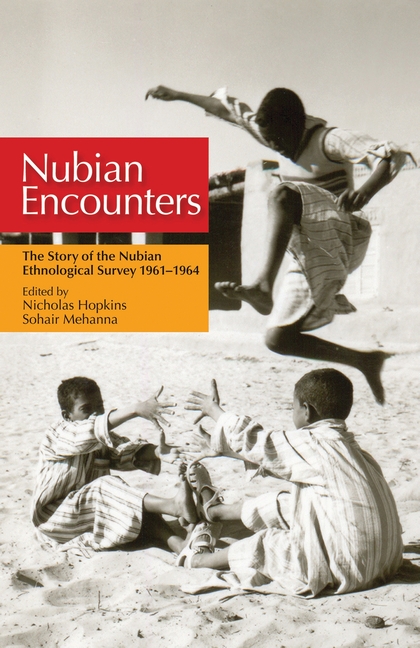



Before the residents of Egyptian Nubia were resettled at Kom Ombo in 1963–64, the Kenuz homeland lay in the northern part of this region, extending south along the Nile from the neighborhood of Aswan to the district of al–Madiq. Even before their relocation, however, most of the Kenuz had settled in Egyptian cities, where they retained their ethnic identity and much of their culture. Kenuz culture, a blend of Arab and Nubian features, emerged during the ninth and tenth centuries AD. Kenuz religion, clearly Muslim, still includes some direct links with the pre-Arab past in spite of extensive reforms that were carried out in this century to remove practices regarded as non-Islamic. The Kenuz of Dahmit was organized by two systems: residence, manifesting itself in such units as households and villages; and descent, involving patrilineal lineages and tribes.
- ISBN
- 9789774164019
يُشترى عادةً معًا
أكمل المجموعة
Shed That Fed a Million Childr
Magnus MacFarlane-Barrow
585 ج.م
Daybreak in Gaza: Stories of Palestinian Lives and Culture
Various Authors
1,130 ج.م
Children’s Picture Books and Contemporary Egyptian Society
Yasmine Motawy
950 ج.م
Cairo Cosmopolitan: Politics, Culture, and Urban Space in th
Diane Singerman
700 ج.م
Biographies of Port Said: Everydayness of State, Dwellers, a
Mostafa Mohie
200 ج.م
Secret Manoeuvres in the Dark
Eveline Lubbers
50 ج.م